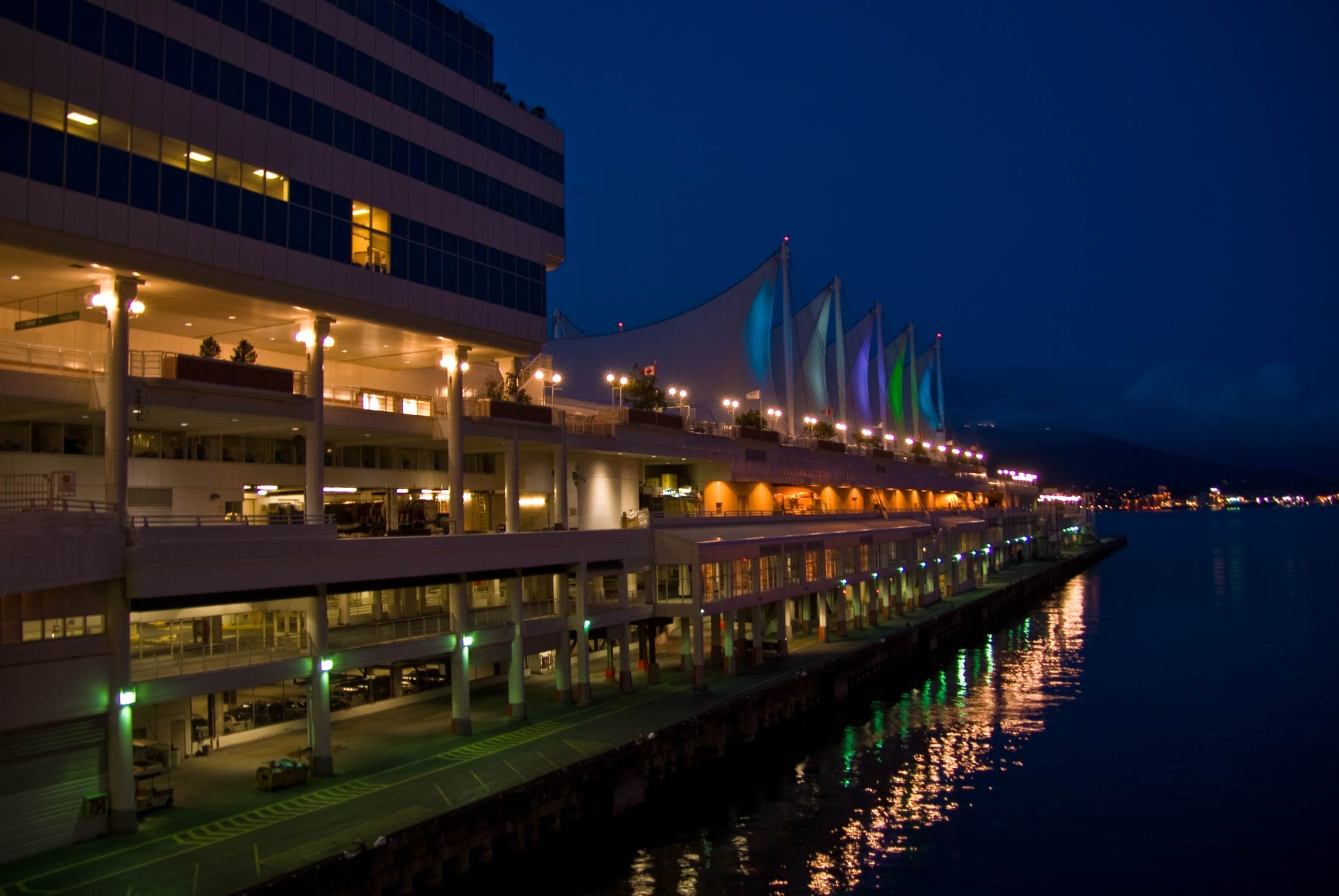
Stanley Park
49°18′ N 123°08′ WParkFree
Stanley Park suits anyone with half a day and good shoes, since 400 hectares of West Coast rainforest and the seawall start where downtown ends, and the catch in winter is the short day, with washrooms open only from dawn to dusk.
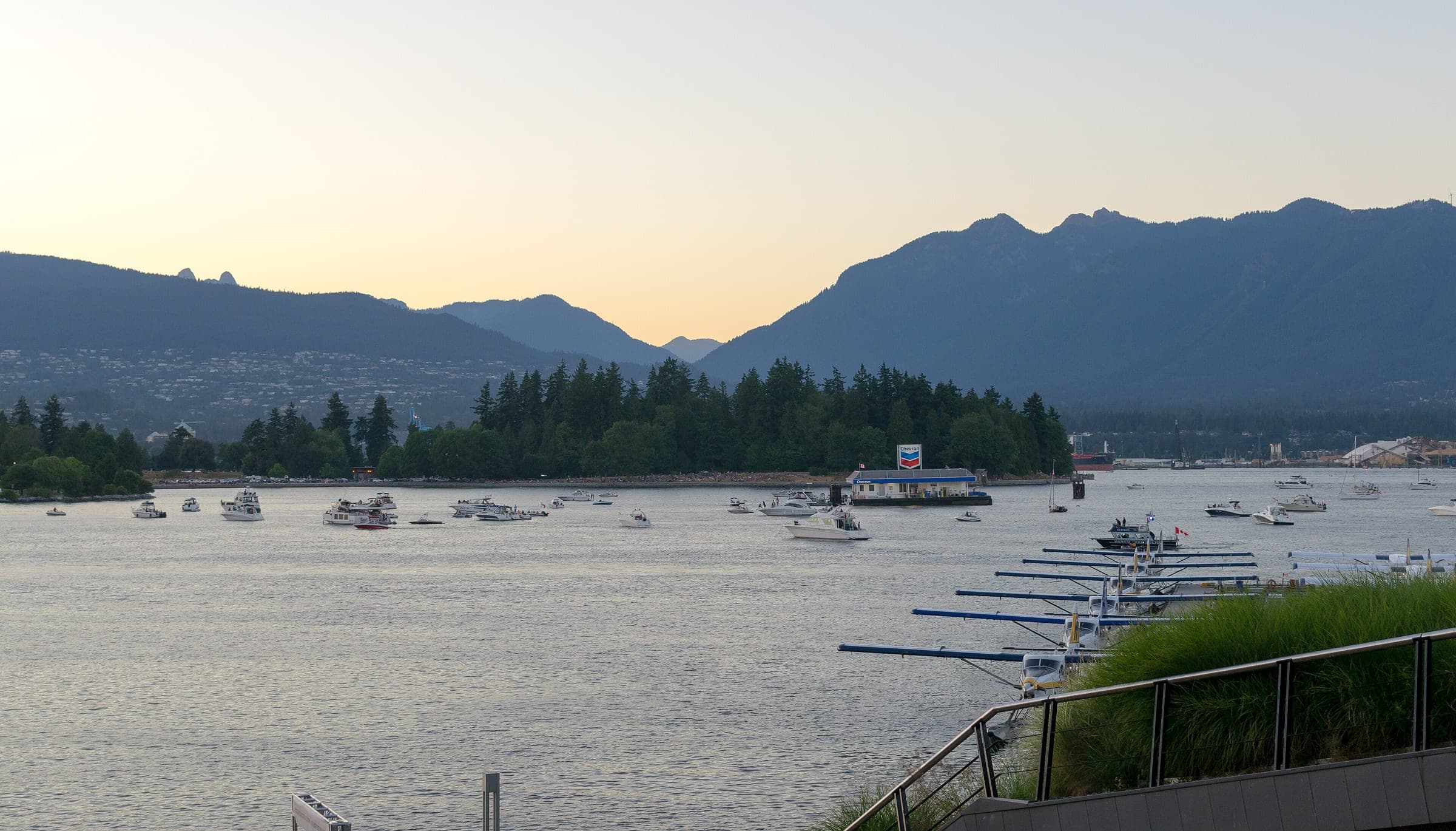
Photo by Albert Stoynov on Unsplash and others, credited in the gallery
Field card · Sight · No. 029 · checked 16 Oct 2026
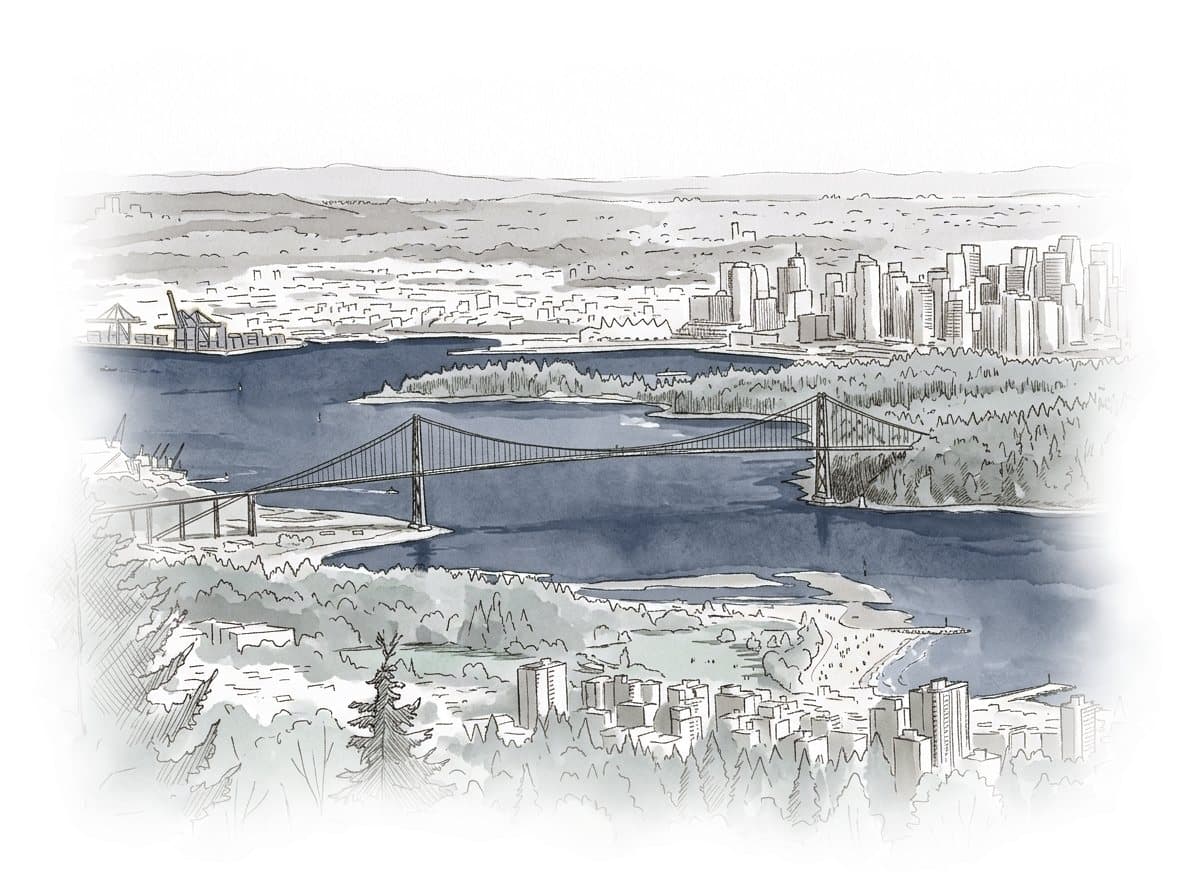

A day pass from any meter covers every lot in the park.
Access
The City of Vancouver publishes an interactive accessibility map of the park's trails, amenities and features to plan a visit around.
The City of Vancouver calls Stanley Park its first and largest park and counts 400 hectares of West Coast rainforest inside it. The City acknowledges that Vancouver sits on the unceded traditional territories of the xʷməθkʷəy̓əm (Musqueam), the Sḵwx̱wú7mesh Úxwumixw (Squamish Nation) and the səlilwətaɬ (Tsleil-Waututh Nation). The seawall rings the shore. Inland, the City's list of landmarks takes in Lost Lagoon, Siwash Rock, the Hollow Tree, Beaver Lake and Prospect Point.
The eight totem poles at Brockton Point come from several Nations, most of them far from Coast Salish country. The Park Board bought the first four from Alert Bay on Vancouver Island in the 1920s and stood them at Lumberman's Arch. Poles from Haida Gwaii and from Rivers Inlet on the central coast followed for the city's 1936 Golden Jubilee, and the whole collection moved to Brockton Point in the mid-1960s. Many of the poles you see now are replicas or loaned replacements, since the originals went to museums in the late 1980s and the original Skedans Mortuary Pole went home to Haida Gwaii. The Squamish Nation raised the Rose Cole Yelton Memorial Pole in 2009, and Rose's son Robert Yelton led its carvers. Ellen Neel's Kakaso'las pole went back to the Museum of Anthropology at UBC on 4 September 2024 because of its age.
Coast Salish artist Susan Point created the three red cedar gateways at the Brockton Point Visitor Centre with Coast Salish Arts and the Musqueam, Squamish and Tsleil-Waututh First Nations, and they went in in 2008. Their slant-roof shape follows Coast Salish architecture. Near the Miniature Railway Plaza, Richard Krentz carved Raven: Spirit of Transformation from a Douglas fir stump that the 2006 windstorm left behind.
The train won't run this winter. The City counts at least 500 species in the park, with five breeding pairs of bald eagles and at least one family of coyotes that hunts at night. Keep your food to yourself. Park Board bylaws already banned leaving food anywhere in a park outside a bin, and after months of coyote attacks in Stanley Park the board backed a $500 fine for feeding wildlife in 2021.
Worth knowing
- A day pass from any Stanley Park meter covers every lot and space in the park, so you can move from the Aquarium to Prospect Point without paying twice.
- The 19 bus leaves Stanley Park Loop by the Pavilion and reaches Pender at Burrard in 10 minutes on TransLink's September 2026 timetable. From there it's a 7-minute walk to Canada Place.
- Watch for harbour seals from the seawall, and leave a pup alone on the beach, because the City says its mother is usually just off feeding.
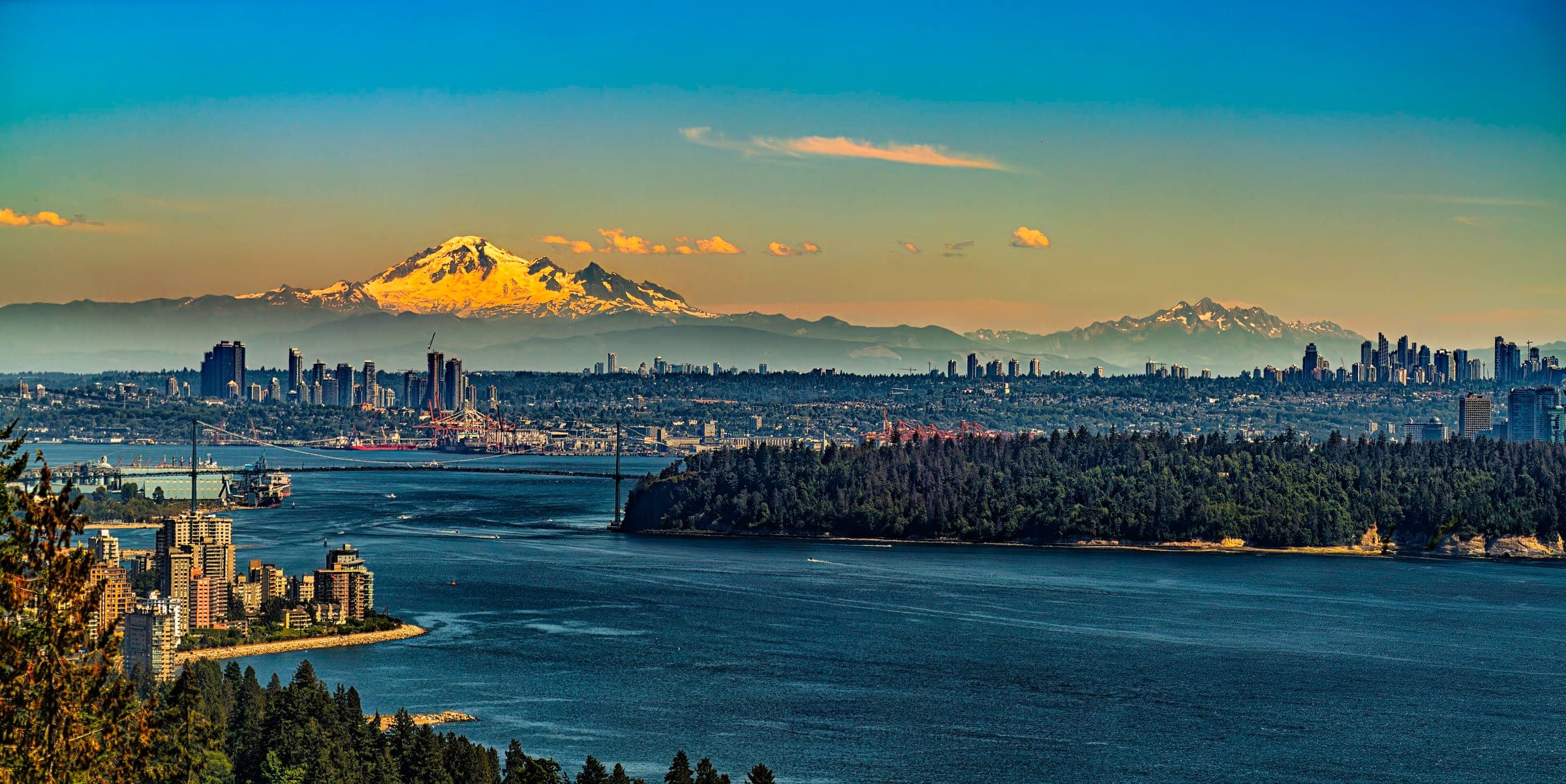
Quick answers about Stanley Park
Is Stanley Park free?
Yes. Entry to Stanley Park is free, and pay parking applies on every road and lot in the park all year.
What time does Stanley Park close?
Stanley Park is open from 6 am to 10 pm unless signs say otherwise, and its washrooms open from dawn until dusk.
Is the Stanley Park train running?
No. The City of Vancouver says the Stanley Park Train remains offline because of safety concerns with its ageing systems, and Park Board staff are exploring new ways to run it.
Whose totem poles are at Brockton Point?
The eight poles standing at Brockton Point in Stanley Park come from several Nations. The first four came from Alert Bay in the 1920s, others came from Haida Gwaii and Rivers Inlet in 1936, and the Squamish Nation raised the Rose Cole Yelton Memorial Pole in 2009.
How much does Stanley Park cost?
Stanley Park is free to visit.
When is the best time to visit Stanley Park?
Stanley Park: Start in the morning in winter, because the washrooms close at dusk and the forest trails darken early.
Within 12 km
Places to eat and drink nearby


Within 12 km
Places to stay nearby
Within 12 km
Sights nearby


In the journal and guides