Whistler Blackcomb backcountry access
50°02′ N 122°56′ WATES Complex terrainGuide recommendedSeasonal
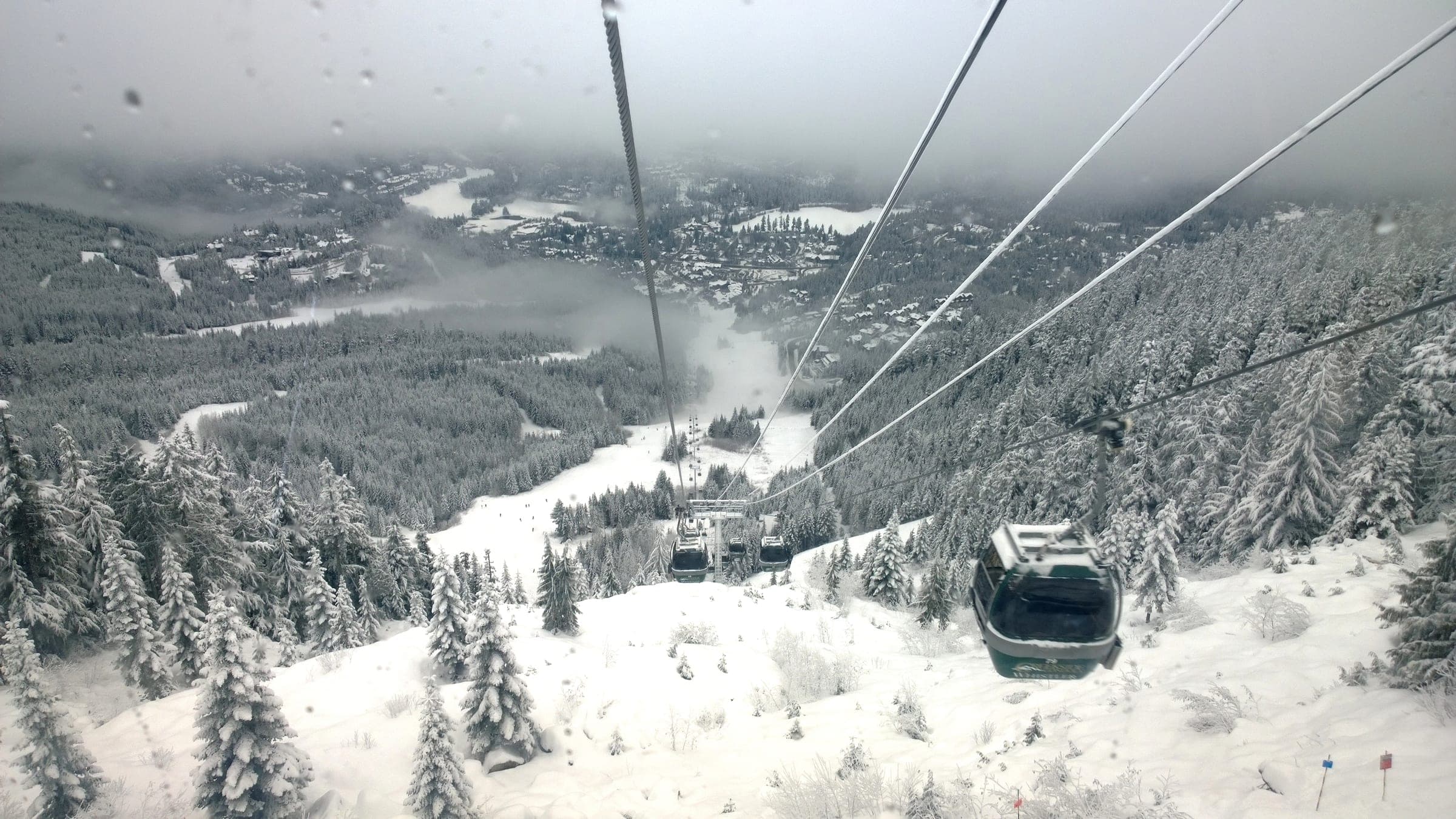
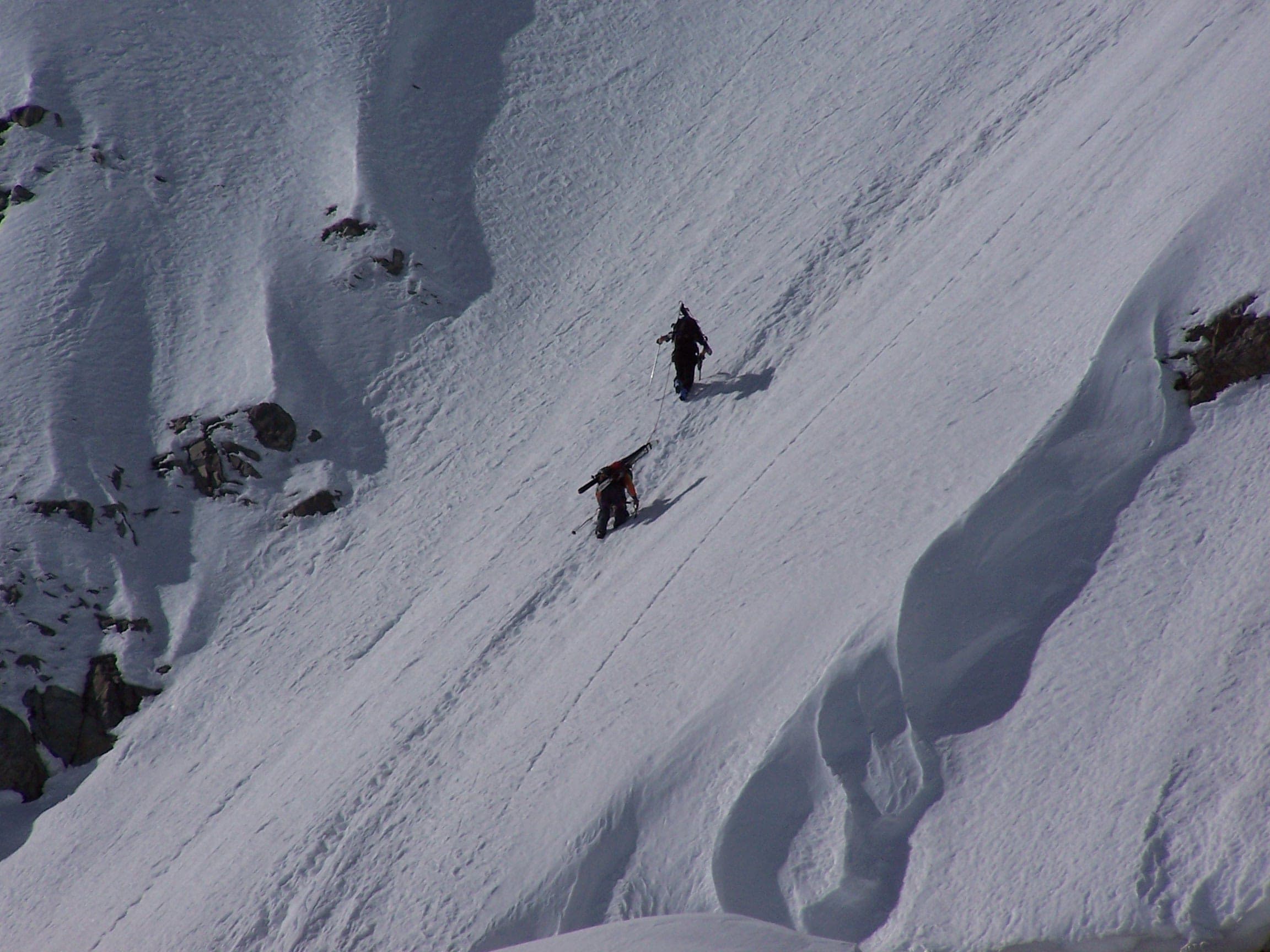
Whistler Blackcomb's lifts and signed uphill routes put ski tourers and splitboarders at the edge of unpatrolled backcountry in Garibaldi Park, so they suit trained parties who want short approaches to Singing Pass and the Blackcomb peaks, and the trade-off is a strict set of ticket and gear rules on top of complex avalanche terrain.
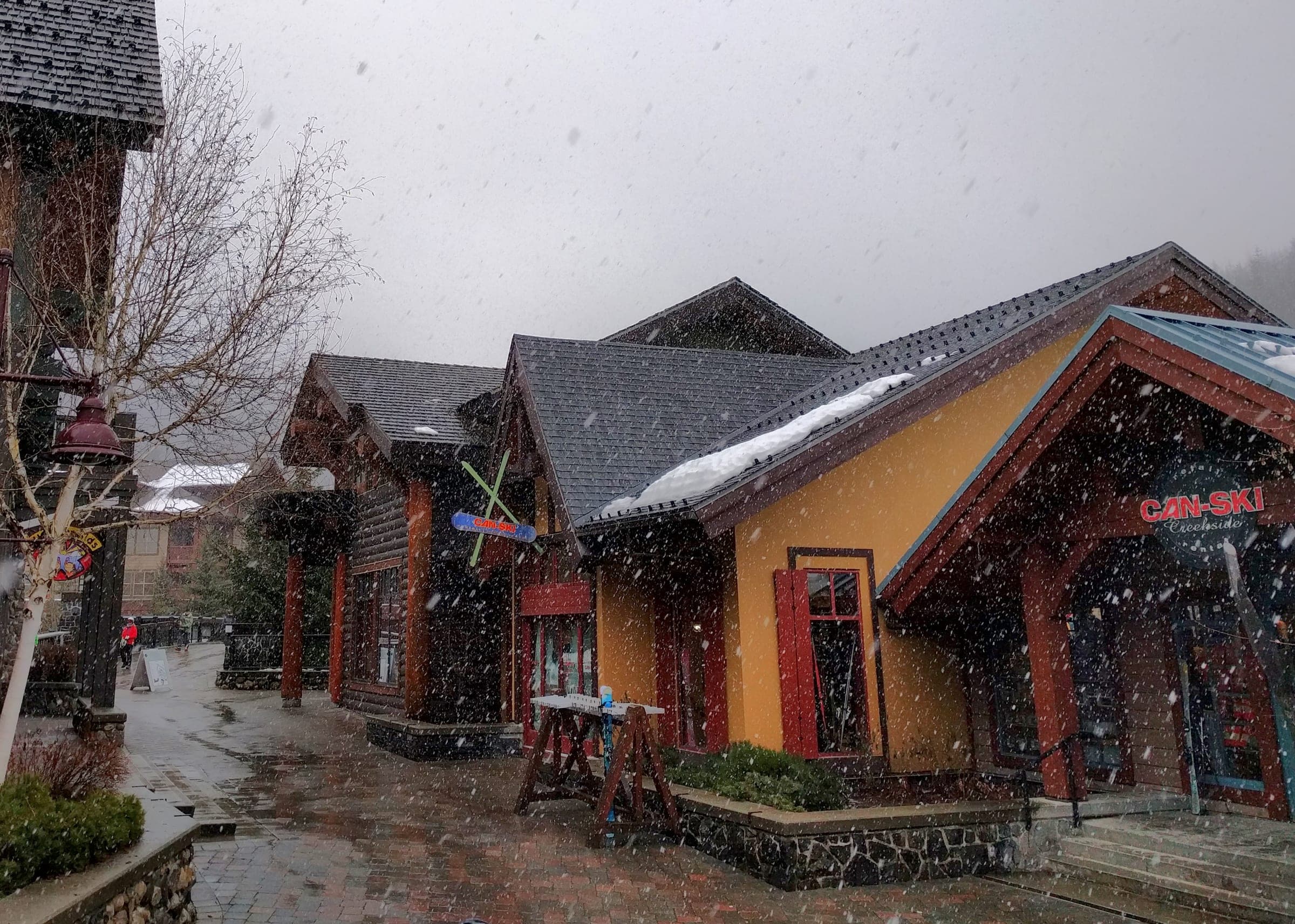
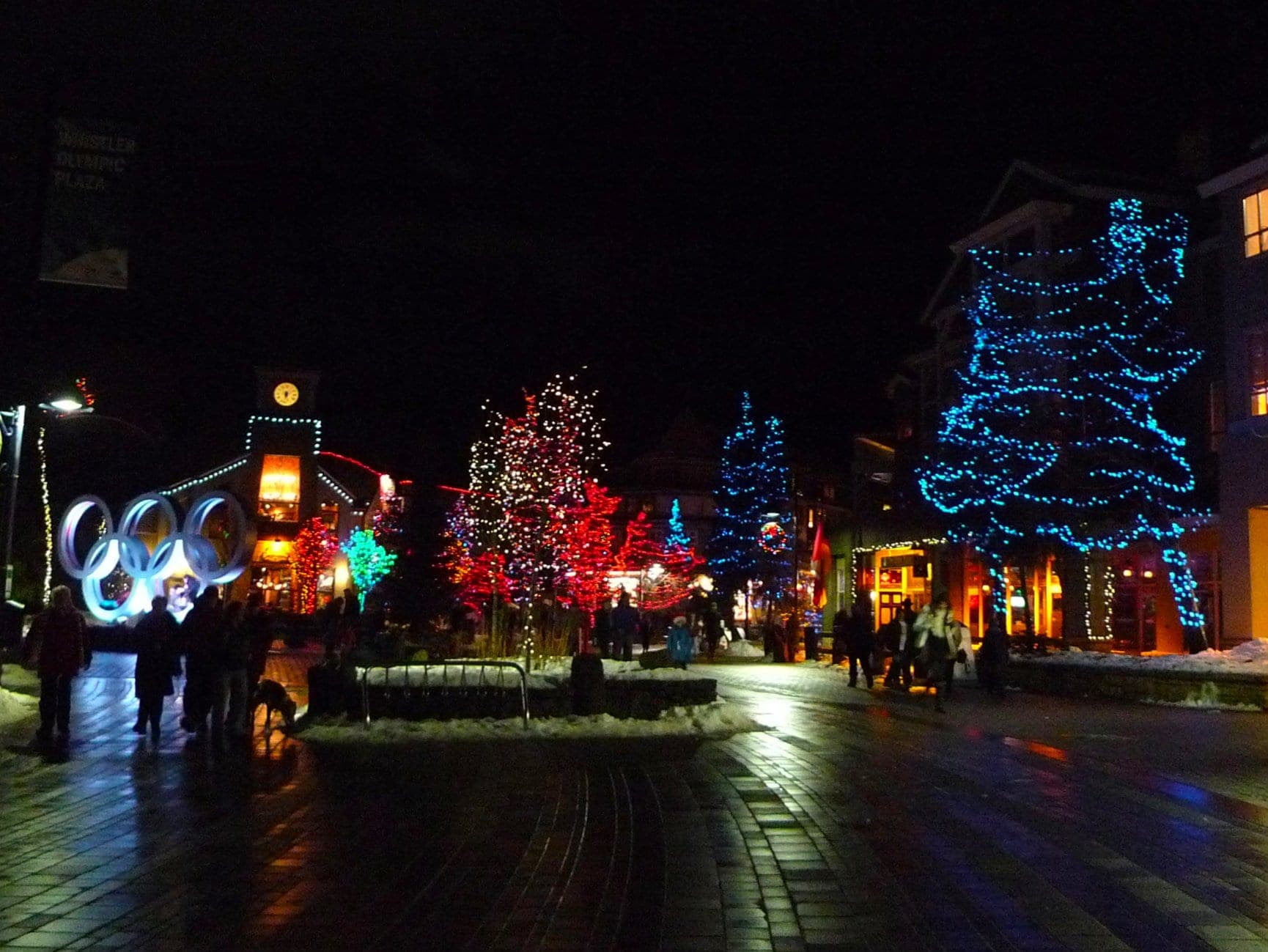
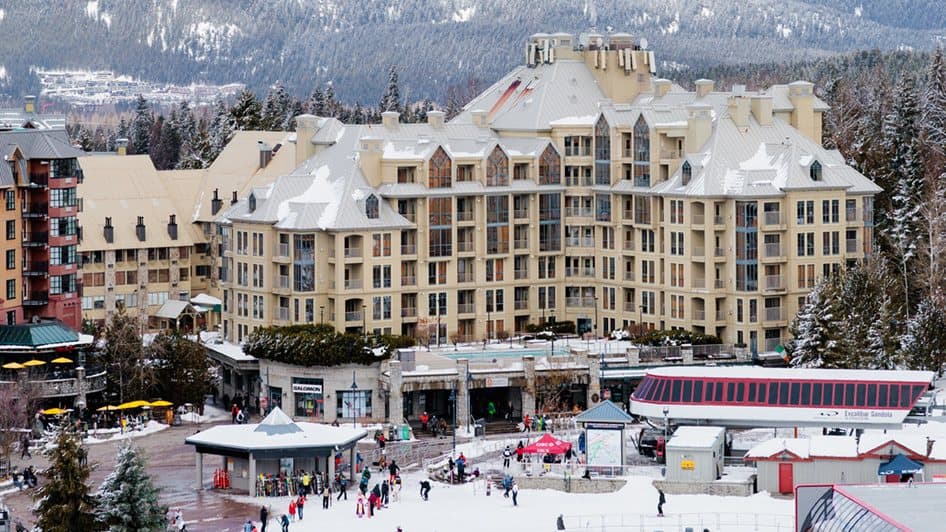
Photo Ruth Hartnup from Vancouver, Canada · Wikimedia Commons · CC BY 2.0 and others, credited in the gallery
Field card · Backcountry zone · No. 011 · checked 16 Oct 2026
Practise a beacon search at the training park first.
Read the terrain
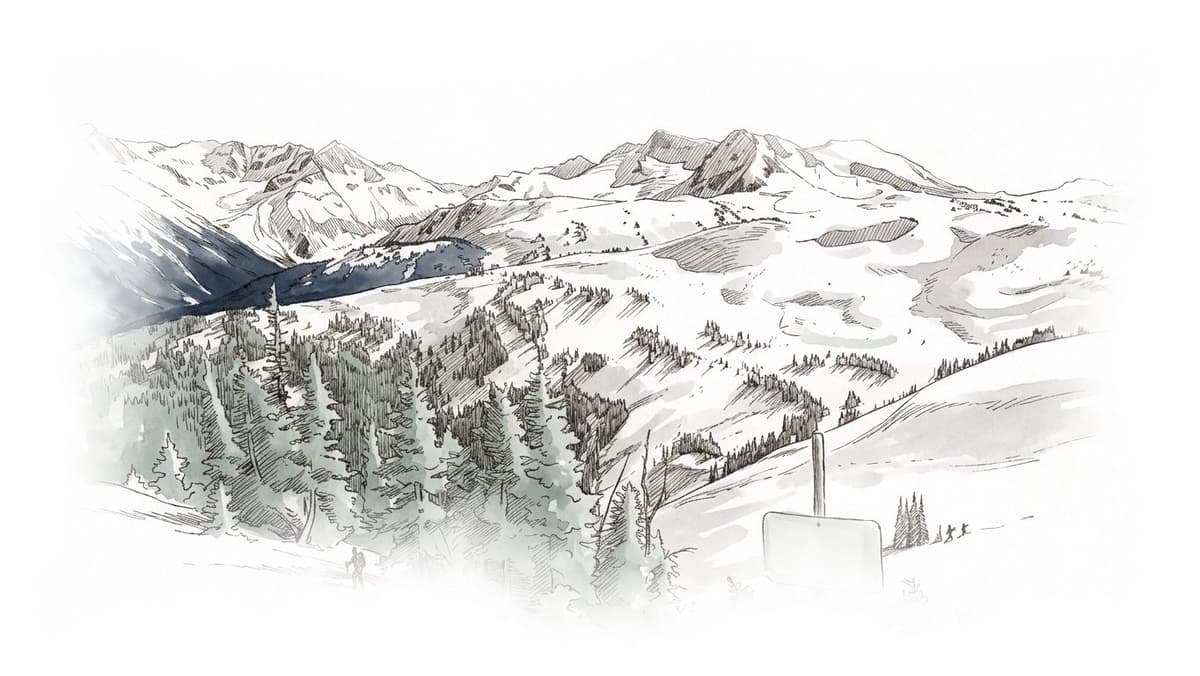
Whistler Blackcomb calls the ground beyond its boundary unmarked and unpatrolled backcountry in Garibaldi Park and Blackcomb Glacier Provincial Park. From Whistler the Oboe Traverse and the Musical Bumps lead toward Singing Pass and the ridges around Russet Lake, and the older Canadian Avalanche Association list rated that whole area challenging. On the Blackcomb side the same list rated Blackcomb Peak, Corona, Husume, Decker and Fissile complex. Avalanche Canada's Trip Planner maps the Singing Pass winter route from the valley through simple and challenging zones with a short complex stretch.
Gate rules
- Uphill travel inside the Whistler Blackcomb boundary is allowed only on designated routes marked with signs.
- Backcountry tickets cover a set of lifts to the access points and no others. To buy one you need skis, a snowboard or a splitboard, skins, a transceiver you can show you know how to use, a probe, a shovel and a phone, and you sign the Backcountry Access Agreement.
- Whistler Blackcomb listed the 2026/27 backcountry ticket price as to be determined in October 2026.
- The South Route up Blackcomb opens only from 5 am to 9:30 am, and you must be clear to the bottom of Seventh Heaven by 9:30 am.
- East Col needs a lift ticket and open high alpine terrain. Check the Terrain Status Map the morning of your trip and again just before you leave the boundary.
- Snowshoers reach Garibaldi Park by the Singing Pass trail on Whistler, or by the Blackcomb Bench Climb and the North Route on Blackcomb, and stay off the skin track.
Watch for these hazards
- Avalanche Canada's Trip Planner puts a short stretch of the Singing Pass winter route in a complex zone.
- Whistler Blackcomb warns of grooming cats and other machinery when you come back into the ski area after hours, and asks you to obey every sign and fence.
- Lifts and routes open only when weather and avalanche conditions allow, and the resort may not run every lift or route on a given day.
- Check the Terrain Status Map for avalanche conditions and closures inside the boundary before you re-enter it from the backcountry.
- The North Route through the forest outside the boundary is marked only with blue flagging tape, and Whistler Blackcomb says you need map, compass or GPS skills to follow it.
Pick a route that suits the day
Singing Pass trail
Complex terrain
Whistler Blackcomb marks this all-weather route in yellow from the valley bottom to the Garibaldi Park boundary, and snowshoers use it as their only way into the park from Whistler. Avalanche Canada's Trip Planner maps the winter route through simple and challenging zones with a short complex stretch.
Oboe Traverse and the Musical Bumps
Challenging terrain
The Oboe Traverse starts inbounds on Whistler, so skiers and splitboarders need a lift ticket to reach it, and Whistler Blackcomb counts it as an all-weather route. The older Canadian Avalanche Association list rated the Singing Pass area challenging and counts the Musical Bumps over Flute and Oboe as part of it.
Blackcomb Bench Climb and North Route
The Bench Climb starts skier's right of Merlin's or from Lot 7, with its main trailhead sign on the north side of Lower Cruiser at Base II, and follows green uphill signs. It leads to three upper options. The North Route is one of them and runs through the forest outside the boundary on blue flagging tape.
Blackcomb South Route
This interim, time-restricted route climbs Blackcomb to the park boundary on green uphill signs between 5 am and 9:30 am only.
Blackcomb Peak
Complex terrain
The older Canadian Avalanche Association list rated Blackcomb Peak complex and gave Corona and Husume nearby the same rating.
Decker Mountain
Complex terrain
Decker rises beyond the Blackcomb Glacier on the first leg of the Spearhead Traverse, and the older Canadian Avalanche Association list rated it complex.
Fissile Peak
Complex terrain
Fissile Peak stands above Russet Lake, and the older Canadian Avalanche Association list rated it complex.
See the terrain in 3D
Go with a guide
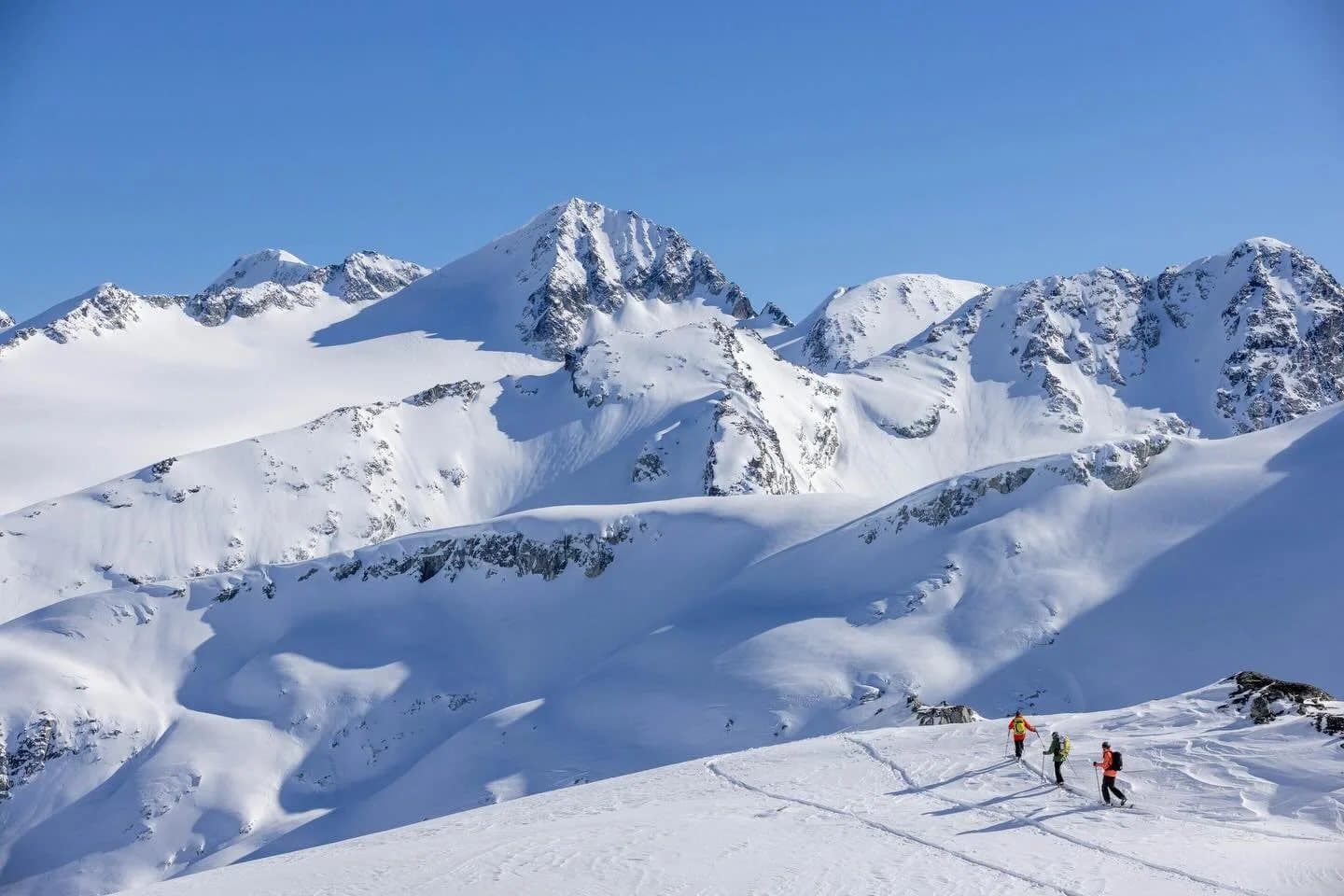
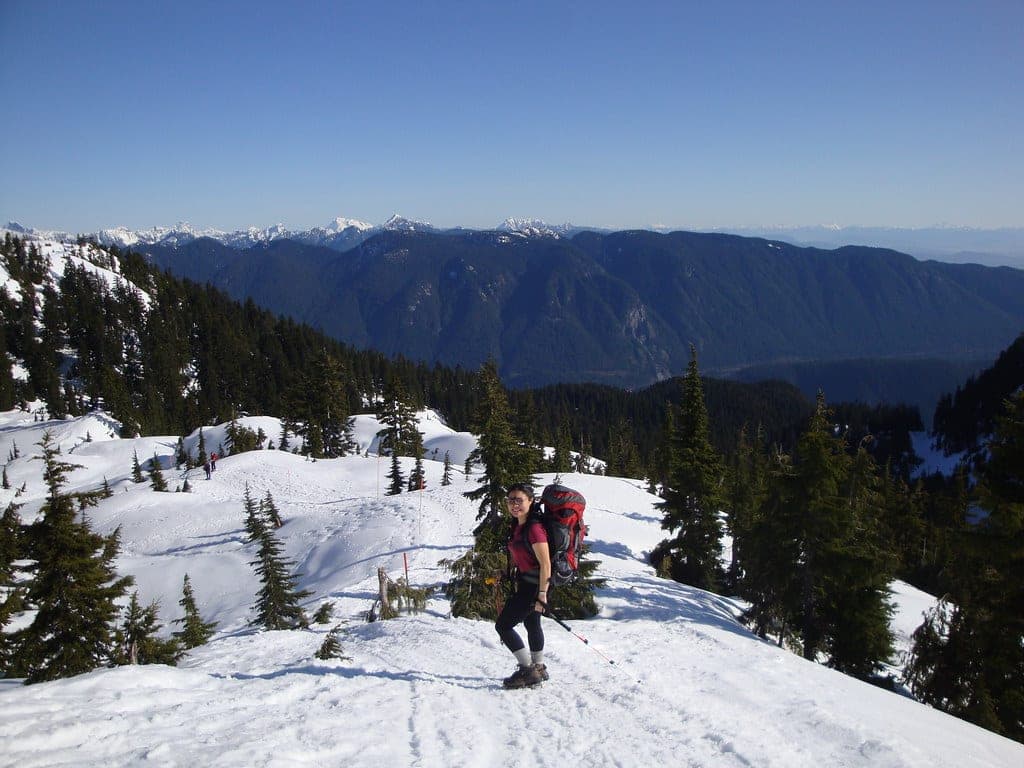
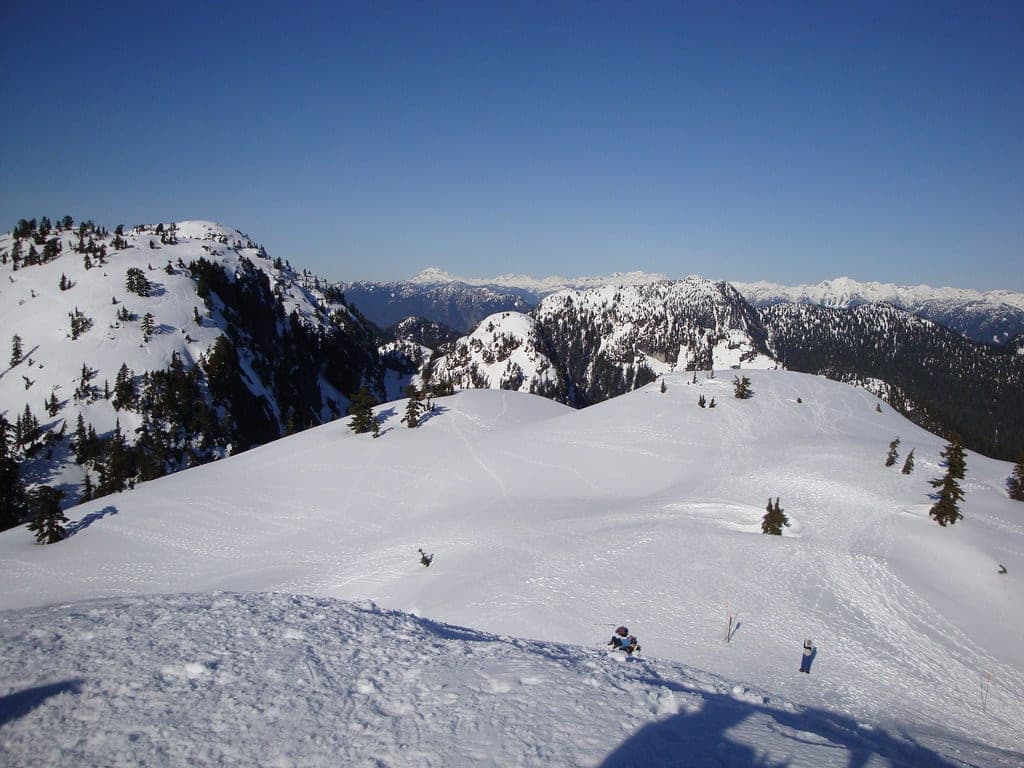
On Whistler, skiers ride the lifts to the top and drop onto the Oboe Traverse, which starts inbounds and leads out along the Musical Bumps toward Singing Pass. Snowshoers and anyone else without a lift ticket climb the Singing Pass trail from the valley instead, and Avalanche Canada's Trip Planner shows that route crossing a short complex stretch on the way up. The older Canadian Avalanche Association list rated the whole Singing Pass area challenging, from the Musical Bumps to Cowboy Ridge and Russet Ridge.
Blackcomb has more doors. The Blackcomb Bench Climb leaves skier's right of Merlin's or from Lot 7 on green uphill signs and leads to three upper options. The North Route is one of them and heads through the forest outside the boundary on blue flagging tape, and ticket holders can cut across to the Excelerator chair on the short Excelerator Connector. The South Route runs only between 5 am and 9:30 am. East Col needs a lift ticket and open high alpine terrain, and Blackcomb Peak, Corona, Husume and Decker all carry complex ratings on the older list.
A backcountry ticket covers set lift routes and nothing else, and the resort sells one only to riders carrying skins, a transceiver they can show they know how to use, a probe, a shovel and a phone. To practise a search before you go, use the Helly Hansen Beacon Training Park near the top of Emerald Chair on the right side of upper GS. Whistler sits on the shared territory of the Sḵwx̱wú7mesh Úxwumixw (Squamish Nation) and the Líl̓wat Nation.
Worth knowing
- Leave a trip plan with someone at home with your route, your group, your exit and the time you expect to be back in the village, plus when they should call 911. AdventureSmart's free planner is at adventuresmart.ca.
- Pack North Shore Rescue's ten essentials with a headlamp first. The team says running out of light causes more overdue callouts than anything else.
- Practise a transceiver search at the Helly Hansen Beacon Training Park before your first trip out.
- Avalanche Canada sets AST 1 at two days or more, and Whistler Blackcomb points newcomers to ACMG-certified guides through Extremely Canadian. Licensed AST providers list their dates at avalanche.ca/training/courses.

Quick answers about Whistler Blackcomb backcountry access
Can you skin up Whistler Blackcomb?
Yes, on designated uphill routes marked with signs. Whistler Blackcomb allows uphill travel inside its boundary only on those routes, and the Blackcomb South Route opens only from 5 am to 9:30 am.
What do you need to buy a Whistler Blackcomb backcountry ticket?
You need skis, a snowboard or a splitboard, skins, a transceiver you can show you know how to use, a probe, a shovel and a phone, and you sign the Backcountry Access Agreement. The ticket covers a set of lifts to the access points and no others.
How much is a Whistler Blackcomb backcountry ticket for 2026/27?
Whistler Blackcomb listed the 2026/27 backcountry ticket price as to be determined when this page was checked on 16 October 2026.
Is the Whistler Blackcomb backcountry patrolled?
No. Whistler Blackcomb calls the terrain beyond its boundary unmarked and unpatrolled backcountry in Garibaldi Park, and its patrol line covers on-hill emergencies only.
How long is a tour on Whistler Blackcomb backcountry access?
A typical tour on Whistler Blackcomb backcountry access climbs lift routes reach the backcountry from the top of Whistler and Blackcomb, and the Singing Pass trail climbs from the valley under your own power. Whistler Blackcomb publishes no height gain for its uphill routes.
How do you get to the Whistler Blackcomb backcountry access trailhead?
The Whistler Village gondola bases (lift routes) or the Singing Pass trail from the valley trailhead is about 2 hr 30 min by car from Horseshoe Bay ferry terminal in winter, 101.8 km on the road.
Within 40 km
Ski resorts nearby

Within 80 km
Backcountry zones nearby

Within 35 km
Places to stay nearby
Within 35 km